


- By Admin
- August 15, 2026
How to Verify a Gold Supplier in Africa Before Sending Money: A 10-Step Due Diligence Guide
Introduction
Africa is an important source of gold for international refiners, jewelry manufacturers, bullion traders and investors. But buying gold across borders requires far more than finding a seller who can send attractive photographs, assay reports or company documents.
Before sending money to any gold supplier in Africa, a buyer should be able to answer several basic questions:
Does the company legally exist?
Is it authorised to trade the minerals it is offering?
Is the person negotiating actually authorised to represent the company?
Can the supplier demonstrate a legitimate source and chain of custody for the gold?
Can the gold be independently inspected and assayed?
Are the proposed export procedures legally possible?
Does the beneficiary of the payment match the contracting party?
These questions are especially important because gold is a high-value, easily transferable commodity. FATF has specifically identified gold and the precious-metals trade as vulnerable to money laundering and other financial crime risks, while international frameworks such as the OECD Due Diligence Guidance and LBMA Responsible Gold Guidance encourage risk-based verification throughout the gold supply chain.
A legitimate seller should therefore understand why a serious international buyer conducts due diligence.
This guide explains how to verify a gold supplier in Africa before sending money, with particular attention to gold transactions originating in Uganda and East Africa.
1. Verify the Company's Legal Registration
The first step is confirming that the business actually exists.
If you are dealing with a Ugandan supplier, request its:
Certificate of incorporation or registration
Full registered company name
Business Registration Number or registration number
Registered address
Names of directors or authorised officers where available
Tax Identification Number where appropriate
Then conduct your own search through the Uganda Registration Services Bureau (URSB) rather than relying exclusively on screenshots or PDFs sent through WhatsApp or email.
URSB provides official business-registry search services where buyers can search registered entities and conduct more detailed company searches.
Do not rely only on a registration number
Ugandan registration numbers may appear as long numerical identifiers, but buyers should not assume that every genuine company must have one particular number format.
More importantly, company registration does not mean the company is licensed to sell gold.
A company can be legally incorporated while having no authority to deal in minerals.
That leads to the second regulatory check.
2. Verify the Supplier's Mineral Dealer Licence
For a Ugandan gold supplier, buyers should check the relevant mineral trading authorisation through the Directorate of Geological Survey and Mines' official Mining Cadastre system.
Uganda's Mining Cadastre Portal maintains a public list of active mineral dealer and refining licences, and the list is updated periodically. Individual licence records can show information such as the licence code, holder, commodity group, status and validity period.
Under Uganda's current mining regulatory framework, the Mineral Dealer's Licence is an important authorisation for businesses dealing in minerals. The official portal also indicates that Mineral Dealer's Licences expire on 31 December of the year of issue, making current-status verification particularly important.
Therefore, do not merely ask:
"Do you have a mineral licence?"
Ask for:
Licence number
Name appearing on the licence
Mineral category covered
Date of issue
Expiry date
Current licence status
Then verify the information independently.
Important distinction
URSB registration = the company legally exists.
Mineral Dealer's Licence = the company has specific regulatory authority to deal in minerals covered by the licence.
A professional buyer should normally check both.
3. Verify the Person Representing the Company
One of the most overlooked parts of gold supplier due diligence is verifying the individual conducting the negotiations.
A scammer does not always create an entirely fictitious company.
Sometimes fraudsters obtain genuine company certificates, licences, KYC documents, assay reports or photographs belonging to legitimate businesses and then present themselves as employees, directors, brokers or authorised mandates.
For this reason, never assume someone is authorised simply because they possess company documents.
How to verify a representative
Contact the company using contact information obtained independently—for example, its established corporate website, registry information or previously verified office contact.
If someone claims to represent Afrimex Mineral Dealers, for example, confirmation should come through an independently verified corporate channel rather than only through the WhatsApp number of the person negotiating.
Ask the company:
Does this person work with your company?
What is their position?
Are they authorised to negotiate this transaction?
Are they authorised to sign documents?
Are they authorised to provide banking instructions?
Are they acting as an employee, director, broker or mandate?
For larger transactions, request a signed authorisation or mandate letter where appropriate.
A corporate-domain email helps establish consistency but should not be treated as proof by itself.
4. Request Corporate KYC — but Expect Reciprocal Due Diligence
Before committing funds, request an appropriate corporate KYC package.
Depending on the transaction and jurisdiction, this may include:
Mineral Dealer's Licence
Tax registration information
Director or authorised-signatory identification
Beneficial ownership information where legally available
Corporate profile
Relevant mining or supply agreements
Authorisation documents
Compliance declarations
International responsible-sourcing frameworks encourage companies to understand their suppliers, ownership, origin of gold and associated supply-chain risks rather than treating KYC as a simple document-collection exercise.
Why some suppliers will not immediately send complete KYC files
Legitimate companies have valid reasons to protect sensitive corporate documents.
Copies of passports, licences and corporate records can themselves be misused by impersonators.
It is therefore reasonable for a supplier to request:
Buyer's company profile
Buyer's KYC
Proof of purchasing capacity where appropriate
Letter of Intent
NDA or confidentiality agreement
before releasing sensitive information.
An NDA can protect confidential information, but remember:
An NDA is not proof that the seller is legitimate.
It should never prevent independent regulatory verification.
5. Verify the Origin and Supply Documentation
A licensed dealer may source gold from miners or other authorised suppliers rather than owning a mine directly.
Therefore, the relevant question is not simply:
"Where is your mine?"
The better question is:
"What is the legal and documented source of this specific gold?"
Depending on the transaction, review documents showing the relationship between:
Mine/source → supplier/dealer → exporter → buyer/refinery.
Possible documents include:
Mining licence or mineral right where the seller is the producer
Purchase records
Mineral dealer documentation
Movement documentation where required
Source declarations
Royalty or statutory-payment evidence where applicable
Certificate of origin where applicable
Supply agreements
Chain-of-custody records
Uganda's regulatory framework also contains requirements relating to mineral movement, dealer licensing and export permits. The official Mining Cadastre portal states that export-permit applications require a valid Mineral Dealer's Licence or mineral right and supporting documentation.
For gold originating from conflict-affected or high-risk areas, enhanced due diligence becomes even more important. OECD and LBMA frameworks emphasize establishing the origin of the gold and assessing geographical and supply-chain risk.
6. Verify That the Physical Gold Exists
Documents alone cannot prove that a particular consignment exists.
Before advancing significant funds, seek reasonable evidence that the gold being offered is physically available and under the seller's control.
Proof-of-product video
A supplier may provide a recent video showing:
The gold
Weighing process
Date
Transaction-specific code word
Packaging or bar markings
Supplier representative
Location where appropriate
A buyer could request a unique instruction such as:
"Show today's date and reference AMD-4729 beside the material."
This makes it more difficult to reuse an unrelated old video.
However, video evidence is only a preliminary verification technique.
A video does not prove legal ownership, purity or title to the gold.
Safekeeping Receipt or SKR
Where gold is stored with a recognised vault, security company or custodian, the seller may present a Safekeeping Receipt.
Do not stop there.
Verify the receipt directly with the issuing custodian using contact information you obtained independently.
Confirm:
Receipt number
Depositor
Commodity description
Weight
Storage location
Current validity
Whether the gold remains in custody
Whether there are restrictions or liens on the material
A professional-looking SKR sent as a PDF is not independent proof.
7. Conduct an Independent Assay
An assay determines the composition and approximate purity of the gold.
The seller may provide an initial assay report, but the safest transaction structure gives the buyer the ability to arrange, witness or rely on an independent assay performed by an agreed laboratory or refinery.
A typical assay report may identify:
Gross weight
Sample weight
Gold fineness or purity
Silver content
Other metals
Testing method
Sample reference
Date
Laboratory details
The seller's assay should generally be regarded as preliminary information, not the final basis for transferring a large purchase payment.
Where commercially practical, the contract should specify what happens if the buyer's destination refinery assay differs from the preliminary assay.
Example
A seller offers 10 kg of doré represented as approximately 95% gold.
The commercial settlement should not automatically assume:
10 kg × 95% = final payable gold.
The final payable quantity may depend on the agreed assay, refining losses, payable percentage, fees and contract terms.
8. Confirm Export Requirements Before Paying Export-Related Charges
Before purchasing gold from Uganda, understand how the consignment will legally leave the country.
The official Uganda Mining Cadastre guidance states that mineral export permits are issued per consignment and may require, among other things:
Valid Mineral Dealer's Licence or mineral right
Relevant export-permit application
Proof of royalty payment where applicable
Certificate of origin where applicable
Certificate of analysis
Additional source documentation for minerals originating outside Uganda
Uganda Revenue Authority also states that exporters must be appropriately registered and that exporters use customs agents for customs declarations.
Depending on the transaction, shipment and destination, the final file may contain documents such as:
Commercial invoice
Export permit
Certificate of origin where required
Assay or certificate of analysis
Customs export declaration
Customs release documentation
Insurance certificate where applicable
Air waybill or other transport document
Packing list
Evidence of applicable taxes, royalties or regulatory payments
Ownership or source documentation where relevant
Important correction about CIF and FOB
It is incorrect to assume that export documents are required for CIF but not FOB.
Incoterms determine commercial responsibilities, costs, delivery points and risk allocation. They do not cancel government licensing, customs or export requirements.
Under Incoterms® 2020, FOB still requires the seller to complete relevant export formalities.
There is another important issue for gold shipped from Uganda by air:
FOB and CIF are designed for sea and inland-waterway transport.
For air-freight gold transactions, terms such as FCA, CPT or CIP may sometimes be commercially more appropriate depending on the agreed structure. Parties should obtain professional trade advice when selecting Incoterms.
Even a "test-and-pay" transaction does not exempt the parties from applicable mineral, customs or export laws if the gold is being exported.
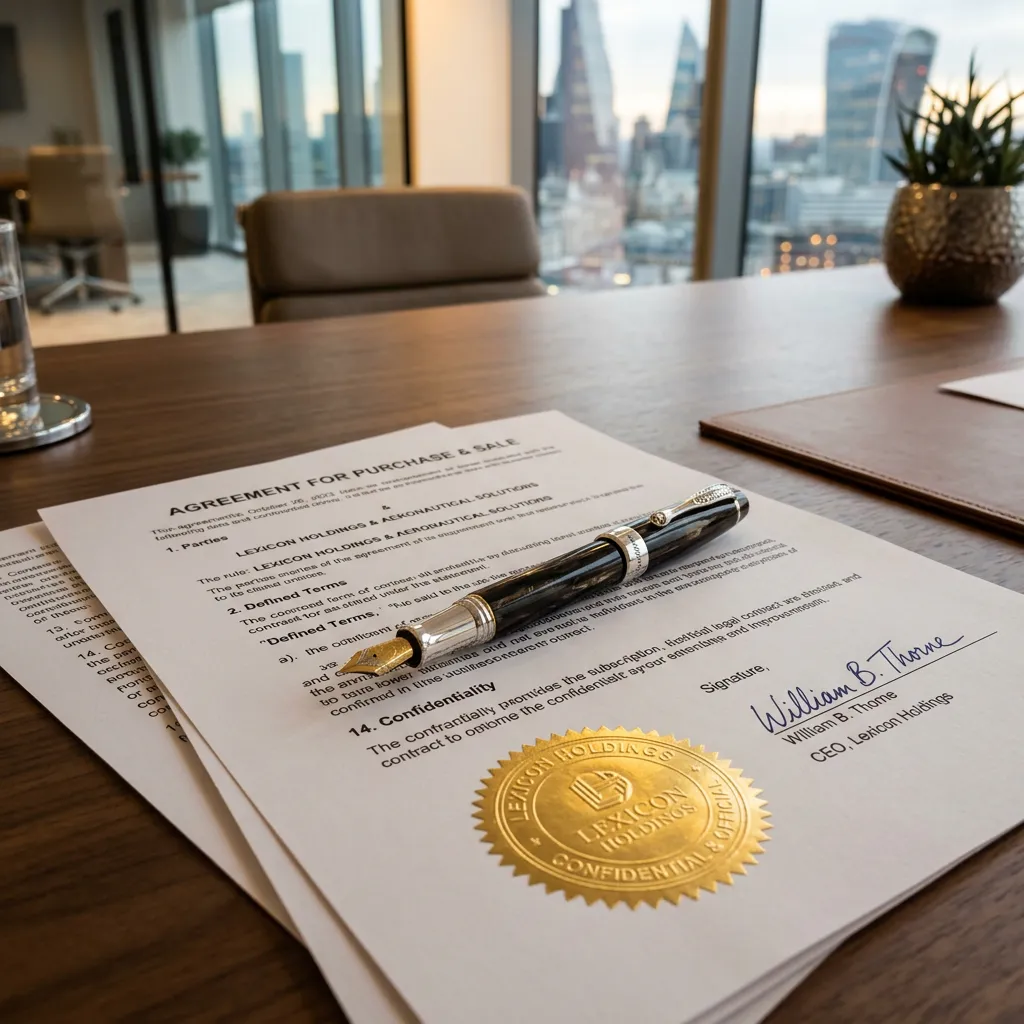
9. Use a Detailed Written Contract
Never structure a substantial international gold transaction entirely through WhatsApp messages.
Before money changes hands, execute a written agreement such as a Sales and Purchase Agreement.
The contract should clearly identify:
Buyer and seller
Company registration information
Product
Quantity
Expected purity
Pricing formula
Currency
Assay procedure
Delivery location
Incoterm where applicable
Export responsibilities
Insurance responsibilities
Payment trigger
Acceptable banking details
Title-transfer point
Risk-transfer point
Inspection rights
Default provisions
Dispute-resolution procedure
Governing law
Avoid ambiguous language such as:
"Buyer pays after documents."
Specify exactly which documents, who issues them, how authenticity is verified and what condition triggers payment.
10. Verify Banking and Payment Instructions
Even after verifying a company, payment fraud can still occur.
Before initiating a transfer, confirm that the beneficiary account is consistent with the contracting entity.
Check:
Bank beneficiary name
Company name
Bank country
SWIFT information
Currency
Invoice details
Contract reference
Be particularly cautious when told:
"Our company account is temporarily unavailable. Send the money to our director, agent, lawyer, broker or friend's account."
There may occasionally be legitimate commercial structures involving third parties, but they require significantly greater verification and contractual documentation.
Treat sudden banking changes as high risk
If bank instructions change immediately before payment, independently contact a previously verified company representative.
Do not rely on the email containing the changed instructions.
This simple control helps reduce business-email-compromise and impersonation risk.
Common African Gold Scam Warning Signs
No single warning sign automatically proves fraud. Several occurring together should trigger enhanced due diligence.
Major red flags include:
Pressure to send money immediately
"Pay the export tax in the next two hours or customs will seize everything."
Extremely large discounts from realistic market values
Gold offered at implausible discounts deserves serious scrutiny.
Refusal to allow independent assay
Especially where substantial prepayment is requested.
Payment requested to unrelated personal accounts
Licence details that cannot be verified
Company name differs across documents
Constantly changing representatives
Unverifiable SKRs, customs documents or assay certificates
Requests for numerous unexpected "release fees"
Customs fee, anti-terror certificate, diplomatic seal, airport security fee, demurrage, clearance code and similar payments suddenly appearing one after another.
Claims that normal export laws do not apply
Statements such as "our diplomatic connection means no export permit is required" should be treated cautiously.
Refusal to identify the source of the gold
Using another legitimate company's licences or KYC documents
Gold's portability, value and global liquidity are among the characteristics that make the sector attractive for legitimate trade but also vulnerable to financial crime. FATF therefore recommends risk-based controls for precious-metal dealers.
A Practical Gold Supplier Verification Checklist
Before sending substantial funds, a professional buyer should ideally be able to check most of the following:
Company registration independently verified
Company status confirmed
Mineral Dealer's Licence independently verified
Licence covers the relevant mineral category
Representative's authority confirmed
Corporate KYC reviewed
Directors/beneficial owners reviewed where appropriate
Gold origin established
Supply chain documentation reviewed
Physical gold reasonably verified
SKR independently authenticated if used
Preliminary assay reviewed
Independent assay procedure agreed
Export-permit requirements confirmed
Customs procedure understood
Contract signed
Banking information independently verified
Payment trigger clearly documented
Destination-country import requirements checked
Sanctions/AML/responsible-sourcing checks completed where appropriate
If several of these cannot be completed, reconsider whether sending money is commercially reasonable.
Practical Example: Safe Verification vs Risky Verification
Risky transaction
A buyer meets a "mandate" on WhatsApp.
The mandate sends:
Company certificate
Gold photographs
Assay report
Passport
SKR
The buyer is then requested to send USD 25,000 for "export clearance."
None of the documents is independently verified.
Result: The buyer has documents, but very little verified information.
Better transaction
The buyer independently:
Searches the company registry.
Checks the mineral licence on the government mining portal.
Contacts the company through independently obtained contact details.
Confirms the representative's authority.
Conducts reciprocal KYC.
Establishes the gold's source.
Verifies custody of the gold.
Arranges an agreed independent assay.
Confirms export requirements with licensed professionals.
Signs an SPA.
Confirms company banking details.
Releases funds only when documented contractual conditions are satisfied.
That is genuine due diligence.
Due Diligence Is About Verification, Not Collecting PDFs
The biggest mistake first-time gold buyers make is confusing documentation with verification.
A folder containing 30 documents does not necessarily make a transaction safe.
A better approach is to divide evidence into three categories:
1. Seller-provided information
Useful, but not independent.
2. Third-party information
Bank, laboratory, custodian, refinery, customs agent or lawyer.
Stronger when independently contacted.
3. Government verification
Company registry, mineral licence, export permit and customs records where independently verifiable.
The more important the claim, the more important independent verification becomes.
Conclusion
Africa offers legitimate opportunities for international companies looking to source gold, but successful transactions depend on disciplined due diligence.
Before sending money, verify the company, mineral licence, representatives, corporate KYC, source of gold, physical product, assay procedure, export requirements, contracts and banking instructions.
Most importantly, verify critical information independently.
Never allow urgency, attractive pricing, professional-looking documents or pressure from brokers to replace proper due diligence.
For qualified international buyers seeking assistance with gold sourcing, supplier due diligence, laboratory assay coordination, export facilitation, logistics coordination and refining coordination, Afrimex Mineral Dealers can be contacted to discuss an appropriate transaction procedure.
Key Takeaways
Company incorporation does not automatically authorise a company to trade gold.
Verify mineral licences through the responsible government authority.
Independently confirm anyone claiming to be a company mandate or representative.
Seller-provided KYC, videos, assays and SKRs are starting points—not final proof.
Determine where the gold originated and how it entered the supplier's possession.
Use an independent assay whenever commercially possible.
Export permits and customs requirements still apply regardless of whether parties use FOB, CIF or another Incoterm.
FOB and CIF are maritime terms and may be unsuitable for air-freighted gold.
Sign a detailed SPA before transferring significant funds.
Verify bank instructions independently, especially after last-minute changes.
If a transaction cannot survive independent verification, do not let attractive pricing override the warning signs.
Frequently Asked Questions
1. How can I verify whether a gold company in Uganda is registered?
Search the company's legal name or registration details through the Uganda Registration Services Bureau's official business registry. Do not rely solely on a certificate supplied by the seller.
2. Does a registered Ugandan company automatically have permission to sell gold?
No. Incorporation establishes the legal entity, but mineral trading is separately regulated. Buyers should also verify the supplier's relevant Mineral Dealer's Licence or mineral right through Uganda's Mining Cadastre system.
3. How can I check whether a Ugandan gold dealer's licence is genuine?
Uganda's Mining Cadastre portal publishes active mineral dealer and refining licence information. Match the licence number, holder, mineral category, status and validity against the information provided by the seller.
4. Is a video of gold enough proof that the seller owns it?
No. A recent transaction-specific video can help establish physical availability, but it does not independently prove ownership, legal origin or purity.
Combine video verification with custody records, source documentation, licence verification and independent assay.
5. Is an assay report proof that the gold is genuine?
An assay provides technical information about a tested sample. A seller-provided report should normally be treated as preliminary unless its authenticity and relationship to the actual consignment are independently verified.
For substantial purchases, agree on an independent assay procedure.
6. What is an SKR in a gold transaction?
An SKR, or Safekeeping Receipt, is a document that may indicate that goods are held by a custodian or security provider.
Buyers should verify it directly with the issuer rather than relying on the PDF supplied by the seller.
7. Does a gold seller need an export permit in Uganda?
Uganda's official Mining Cadastre guidance states that mineral export permits are issued per consignment and specifies requirements including a valid Mineral Dealer's Licence or mineral right and supporting documentation.
8. Are export documents unnecessary in an FOB gold transaction?
No. Incoterms determine the allocation of commercial responsibilities and risk; they do not eliminate statutory export requirements. Under FOB, the seller is still responsible for relevant export formalities.
Recent Post
June 19, 2026
Gold Escrow Services in Uganda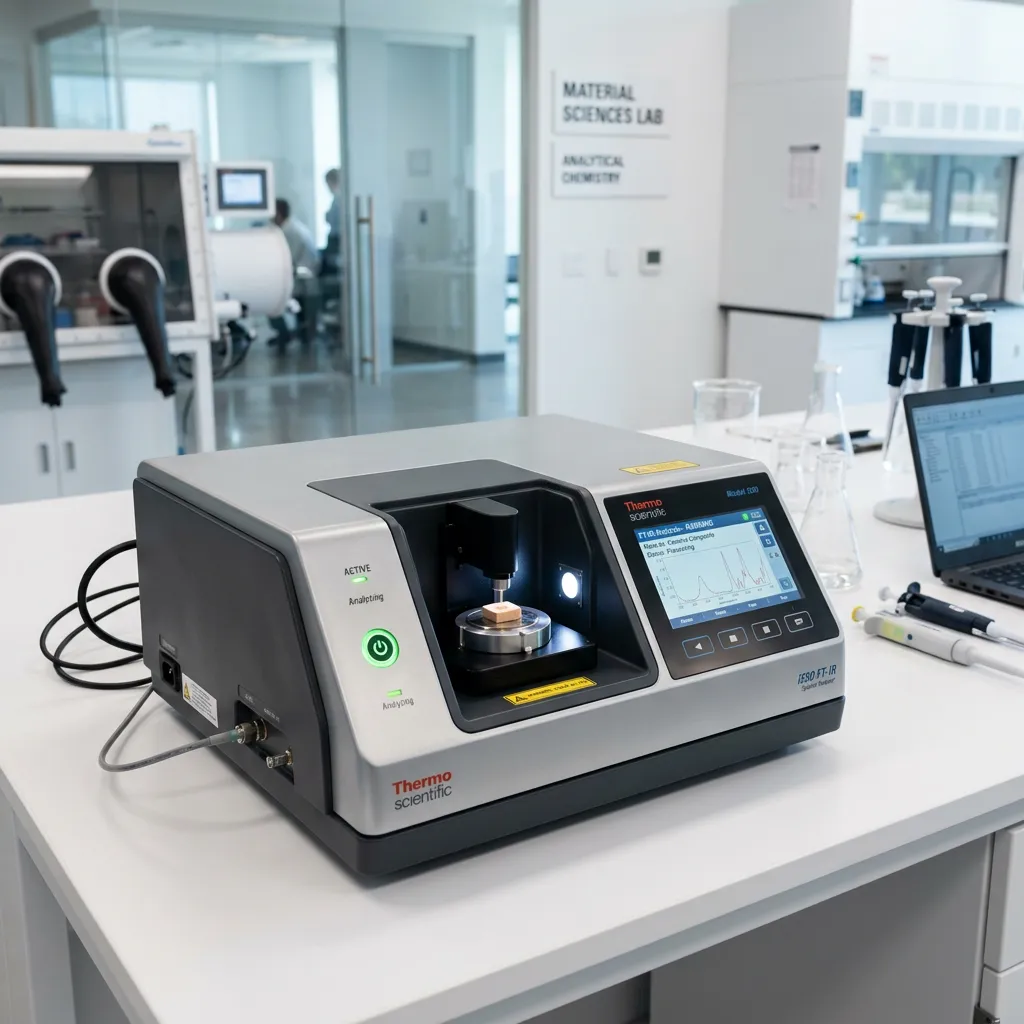
June 15, 2026
Gold Assay and Metallurgical Purity Auditing
June 15, 2026
ICGLR Sourcing Due Diligence Manual
June 15, 2026
Uganda Gold Export Compliance Manual